


Admit it, the minute you cross off the last task on your to-do list and slide onto the couch to watch TV, your inner voice screams, “I should be doing something useful.”
In a world that often celebrates productivity, it is easy to forget the value of play. But remember when you were a kid, energized by play? In our busy lives, your brain isn’t just screaming for rest; it’s trying to remind you about the importance of play in a world driven by work.
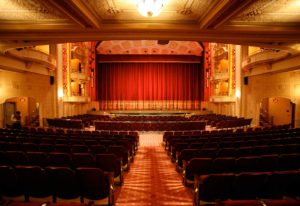
For adults, playing dress-up or tossing a football around is replaced with a different version of play, like seeing a show at The Granada Theatre.
Play isn’t Childish, It’s Neurological
The desire to play is hardwired in our brains from birth. Adults don’t lose interest in playing; we suppress it.
For adults, playing is a mindset. It’s something that pulls us out of our heads and gives us a break from the seriousness and monotony of daily life. It could be a hobby, sports, or imaginative exploration.
When you attend a live performance at The Granada, your brain is performing the same cognitive moves that a child engaged in pretend play does. You’re allowing yourself to step into the make-believe world on stage, temporarily letting go of the constraints of ordinary life.
Playfulness in adults is directly linked to well-being and stress management. When you play, endorphins are released, enhancing brain function and feelings of happiness.
What Cultural Escapism Does to Your Brain
When you lose yourself in the story happening on stage at The Granada, your brain enters a cognitive state known as narrative transportation. You’re so engrossed in the world on stage that you’ve temporarily detached from your reality. You’re not thinking about the 50 emails in your inbox or the deadlines you have. You’re totally in the present. The same way a child is when they’re pretending to be a spy on a mission or a vet treating their stuffed animals.
Psychologists describe play as an activity that’s engaged in for its own sake, that involves stepping into an “as-if” frame (make-believe, imagined stakes, a world with its own rules), and offers a temporary release from the constraints and self-consciousness of ordinary functioning. That’s exactly what narrative transportation does.
Unlike watching a show on Netflix, where you can pause the content or only half-listen, a live performance demands your focused attention, which is what makes the escape complete.
Flow State
When we are absorbed in play, we let go of self-consciousness and enter a flow state, where time seems to disappear and our attention is fully focused on the experience at hand. Flow is what play feels like internally.
In this state, it seems like time flies and life feels lighter. When we’re focused on the stage show, we’ve escaped the worrying and rumination that are often present in our daily lives. Unlike forced concentration, flow doesn’t drain you. When people leave a flow experience like a show, they feel energized, not depleted. The Granada is one of the few public places designed to foster flow, rather than offer it as an option.
The Power of Play
Engaging in play isn’t an indulgence; it has a real, positive effect on your health. Play triggers the release of dopamine, which lowers cortisol, the stress hormone.
When play is in-person and shared, it can stimulate the release of oxytocin, a hormone linked to trust, bonding, social connection, and greater life satisfaction. While streaming a show at home can be enjoyable, it doesn’t provide the same opportunities for real-time social interaction and shared experiences.
These neurochemical reactions happen whether you’re playing a game of golf or watching a show at The Granada.
If you miss playing Little League, hopscotch, LEGOs, or pretending to be an astronaut, permit yourself to play again. One of the best versions of adult play is escaping to the theater. From getting dressed up and heading out for the evening to becoming immersed in a live performance, a night at the theater invites us to step outside our routines and engage with the world in a different way. So let your inner child out and make plans to lose yourself at The Granada.